For many patients struggling with persistent conditions like neuropathy or plantar fasciitis, finding effective relief can be a long journey. This calls for new approaches that open doors to healing and relief without surgery or medications.
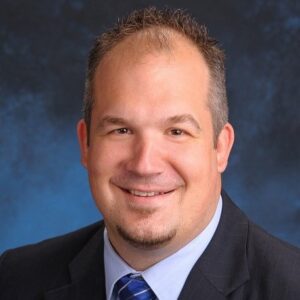
Trevor Haynes, DPM, leads a thriving multi-location, multi-doctor podiatry practice in the greater Portland, OR area with a focus on conservative sports medicine and minimally invasive surgery. His mission is simple but powerful: help patients stay active and avoid surgery whenever possible. To achieve that, he continually seeks out advanced treatment tools that support healing without the risks or downtime associated with many invasive procedures.
Neuropathy remains one of the most difficult conditions to treat. Many neuropathy patients at Dr. Haynes’s practice have had little success with traditional approaches to managing neuropathic pain. Always seeking more advanced tools to help his patients, Dr. Haynes found himself frustrated by the lack of effective options—until he discovered MLS® Laser Therapy. This non-invasive, drug-free approach offered a breakthrough for his neuropathy patients by targeting both pain and inflammation
What stood out was MLS Laser Therapy’s ability to reduce inflammation, alleviate pain, and stimulate cellular repair through photobiomodulation. Its results-driven, conservative nature made it an ideal fit for his clinic’s philosophy, offering healing without the need for surgery or pharmaceuticals.
“I bit the bullet and bought an MLS Laser,” Dr. Haynes says. “And from the first neuropathy patient I treated, I was sold.”
Dr. Haynes has since developed a structured neuropathy protocol using MLS Laser Therapy. “Our goal is to relieve their pain and, when possible, reduce their reliance on medications like gabapentin,” he explains. Dr. Haynes recalls one patient’s experience. “His second visit, he came in and was jumping up and down because he finally had something that was treating his neuropathy.”
While neuropathy remains the primary focus of his MLS Laser Therapy services, his team has also successfully expanded the treatment to other conditions, including Achilles tendinitis, plantar fasciitis, and post-operative recovery. The laser’s versatility has become an asset across the practice, especially when paired with other adjunctive therapies.
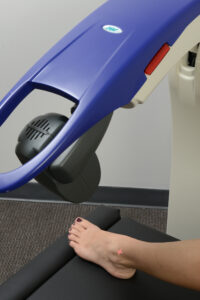 In particular, Dr. Haynes is achieving great success by combining MLS Laser Therapy with platelet-rich plasma (PRP) injections, revolutionizing his approach to plantar fasciitis care. “Studies show that photobiomodulation enhances platelet and stem cell activity,” he explains. “By hitting them with the laser prior to doing the blood draw, you’re actually going to enhance their platelets and hopefully get a better trial with more effective and usable platelets for that injection.” With this protocol, plantar fasciitis patients are seeing faster recoveries, elevated outcomes, and reduced downtime
Moving forward, Dr. Haynes is exploring additional ways to incorporate light-based therapies into patient care plans. Aiming to improve outcomes, patient compliance, and practice revenue, one opportunity he is evaluating is the use of low-level laser devices that patients can purchase or rent to use at home. Supplementing in-clinic treatments with an at-home device can help patients maintain the momentum of their care in between MLS Therapy Laser treatments.
For Dr. Haynes, his MLS Therapy Laser is more than just a device; it’s a vehicle for restoring patient confidence, reclaiming quality of life, and driving practice growth. By integrating laser technology into patient treatment plans as both a stand-alone therapy and in combination with other modalities, he’s created a powerful, adaptable model of care that reflects the future of non-invasive medicine. His success proves that true innovation isn’t always about reinventing the wheel; sometimes, it’s about harnessing the power of light to transform lives and redefine care.