For Melissa Lockwood, DPM, drug-free care is not an alternative; it is the standard. After 18 years in practice, she has thoughtfully built a conservative care model centered on regenerative therapies designed to optimize tissue healing, restore function, and minimize long-term reliance on pharmaceuticals.
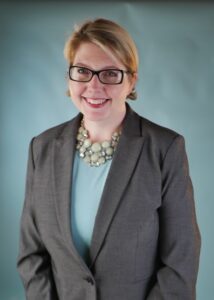 “I really don’t like to prescribe steroid medications if we can help it,” Dr. Lockwood shares. “I’ve always been very holistic. I try to avoid surgery if possible.”
Her philosophy reflects a broader shift in health care. Patients are becoming increasingly informed about their treatment options and more proactive in their care, actively seeking solutions that address the root causes of pain rather than temporary symptom relief.
In response to this shift, Heartland Foot and Ankle Associates has evolved significantly over the past decade. While traditional podiatric approaches once dominated treatment plans, Dr. Lockwood found those options increasingly misaligned with both her values and her patients’ expectations.
“I didn’t have a lot of great traditional options when it came to managing inflammation and healing tissue,” she explains. “And honestly, my patient base really asked for it. How else can we take care of this without being invasive?”
Rather than relying on oral medications and steroid injections, Dr. Lockwood transitioned toward regenerative therapies such as MLS® Laser Therapy, extracorporeal shockwave therapy, and amniotic injections.
Multiwave Locked System (MLS) Laser Therapy uses near-infrared light to stimulate biological processes at the cellular level, accelerating the body’s natural healing response while reducing pain and inflammation.
The clinical outcomes of trusted peers drove Dr. Lockwood’s adoption of laser therapy. After limited success with earlier Class IV laser systems, she turned to the MLS technology based on recommendations from respected colleagues. What sets MLS apart is it’s patented emission system that enables deeper tissue penetration while minimizing the risk of thermal tissue damage.
Dr. Lockwood incorporates MLS Laser Therapy into multimodal care plans for a wide range of acute and chronic musculoskeletal, degenerative, and nerve-related conditions, alongside shockwave therapy, orthotics, and, when necessary, amniotic injections.
“Shockwave takes something chronic and converts it into an acute inflammatory state,” she explains. “Then the laser accelerates healing and helps patients feel relief faster.”
This approach is effective for most patients, but for those with more complex diagnoses, particularly peroneal and posterior tibial tendonitis, amniotic injections may be used as a second-line adjunct to MLS Laser Therapy.
For these patients, administering MLS Laser Therapy one week post-injection supports cellular signaling, reduces inflammation, and accelerates tissue repair. This protocol-driven approach reinforces Dr. Lockwood’s belief that regenerative treatments are most effective when layered strategically rather than used as standalone interventions.
Dr. Lockwood has organized these services into multitiered treatment packages designed to match the chronicity and functional demands of each patient. For acute injuries, she offers short-term care programs lasting approximately five weeks.
The cornerstone of her practice, however, is the 12-week Get Better Faster plan, which addresses chronic pain and inflammation through a coordinated regenerative strategy.
Additionally, for athletes and patients managing arthritis, neuropathy, or other chronic pain syndromes requiring ongoing maintenance care, she offers yearly regenerative care membership plans. “These chronic conditions aren’t going away. You need a long-term solution,” Dr. Lockwood explains, emphasizing consistency, access, and sustained improvement.
Through these programs, Dr. Lockwood has seen particularly strong outcomes in post-viral, idiopathic, and injury-related neuropathy, as well as complex regional pain syndrome—conditions she previously struggled to treat before incorporating MLS Laser Therapy.
For Dr. Lockwood, the advantages of regenerative and nonpharmacological care are clear: fewer side effects, improved tissue quality, and longer-lasting results.
Dr. Melissa Lockwood’s practice demonstrates that drug-free care is not passive or limited; it is intentional, protocol-driven, and outcomes-focused. By replacing medications and steroids with structured regenerative programs, she is helping define the future of conservative podiatric care, one rooted in trust, education, and long-term healing, one patient at a time.