
EQUINE
Achieve Equine Excellence with Advanced Treatment Tools
Expand capabilities and elevate patient outcomes with specialized laser technologies for surgery and rehabilitation.
Enhance Patient Care
Improve outcomes and reduce downtime with advanced treatment technologies.
Differentiate Your Practice
Leverage advanced treatment technologies to remain competitive in your field.
Expand Revenue Streams
Increase the value of your services with innovative procedures that elevate outcomes.
MLS® Laser Therapy
Light-Based Pain Management
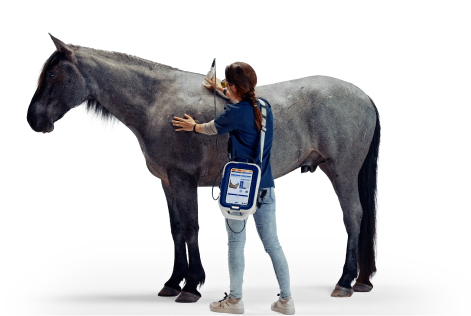
The patented MLS system is a unique Class IV laser that synchronizes continuous and pulsed emission to provide unparalleled clinical results without generating heat.
With device configurations that offer stress-free, no-touch protocols, MLS Laser Therapy is quickly becoming the standard of care for equine pain management.
- Wound Healing
- Poor Circulation
- Tendon and Ligament Injuries
CO2 Laser Surgery
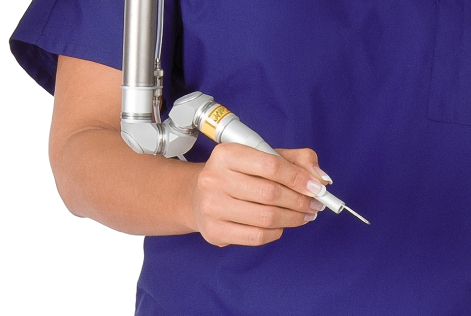
Elevate Your Surgical Suite
Compared to a traditional scalpel and ESUs, CO2 Surgical Lasers offer a more precise incision while sealing blood vessels and nerve endings as it incises, resulting in reduced bleeding, less pain, and a lower risk of infection.
- Soft-tissue Surgeries
- Dermatology
- Ophthalmology
Learn how Dr. Mary Elizabeth Stanton uses lasers to improve patient outcomes at her equine practice.

Knowledge center
Featured Posts
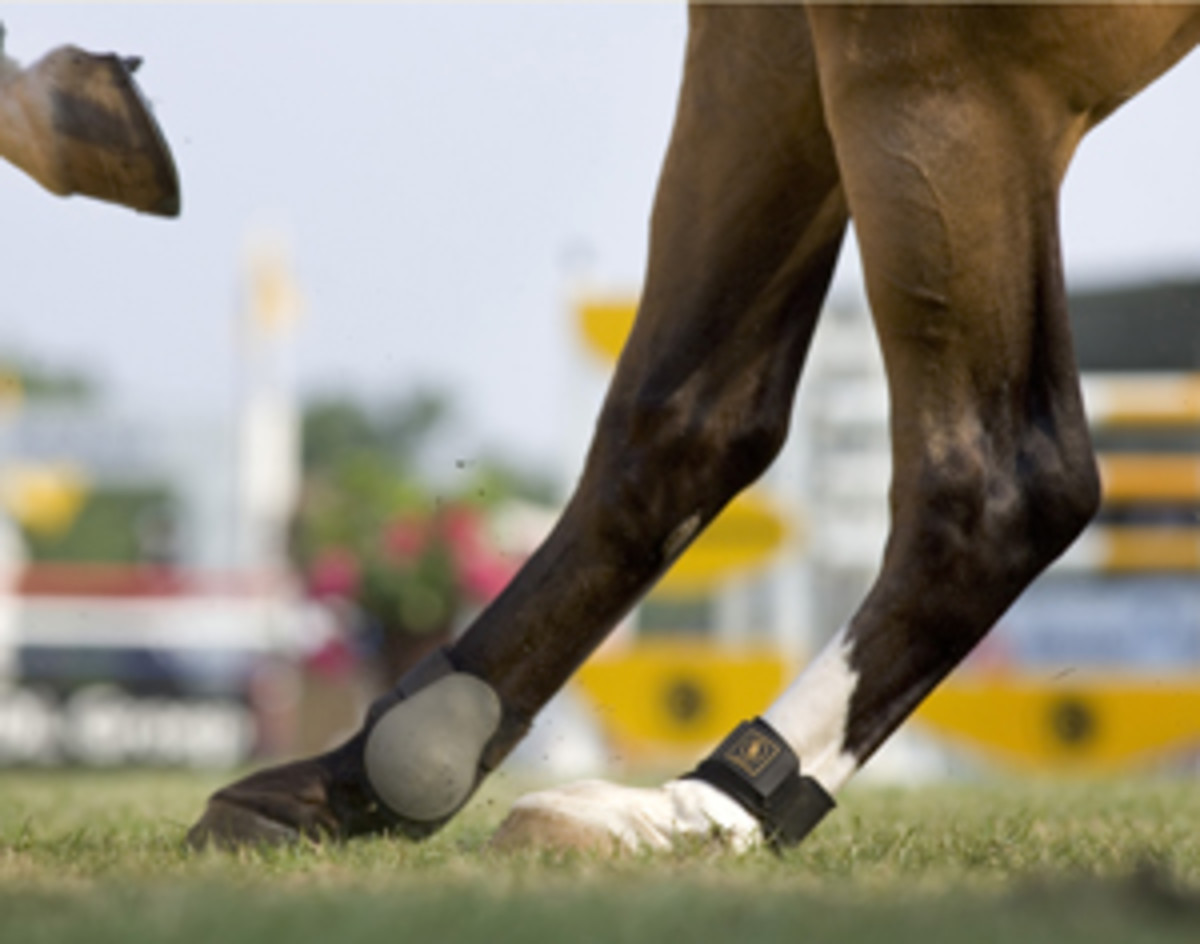
Species: HorseBreed: Dutch WarmbloodAge:15 yearsGender: Gale Clinical case: Obelix had a traumatic injury with loss of tissue on the left hock, located...
Bite Wound to the Tongue SPECIES: HorseBREED: HannoverGENDER: castrated maleAGE: 13 YONAME: Checkpoint Clinical case: Checkpoint was referred for a visit due to the presence...
FAQs
MLS Laser Therapy is a non-surgical treatment for pain, wound healing, poor circulation, and tendon or ligament injuries, used without cutting tissue. CO2 laser surgery is a surgical tool for incision-based procedures like soft-tissue surgery, dermatology, and ophthalmology, sealing blood vessels and nerve endings as it cuts. In equine practice, the two are often used together across a case: CO2 for the procedure, MLS for recovery and rehabilitation.
Yes, tendon and ligament injuries are one of the core indications for MLS Laser Therapy in equine practice, alongside wound healing and poor circulation. These injuries are common in performance and sport horses, which is part of why laser therapy has become a standard rehabilitation tool rather than a niche treatment.
Yes. A 13-year-old Quarter Horse with chronic hock lesions showed rapid wound closure, skin thickening, and full hair regrowth after five MLS Laser Therapy sessions, with no recurrence observed six months later. A separate case documented MLS Laser Therapy used to treat a horse with wound dehiscence.
Yes, this is a documented use case. A Dutch Horse with depigmentation was treated with MLS Laser Therapy to reverse the condition, which is a less commonly discussed application compared to wound healing or pain management but demonstrates the therapy's broader dermatologic utility in equine cases.
Adding both expands the range of cases a practice can manage in-house, from non-invasive pain and wound care (MLS) to soft-tissue and dermatologic surgery (CO2), while reducing downtime for the horse compared to conventional approaches. For practices, this also creates differentiation from competitors offering only traditional treatment options.