Manage Pain. Reduce Inflammation. Speed Recovery.
Find A Practice
Whether you are interested in laser therapy or laser surgery for your pet, laser technology has many benefits.
Trusted by over # clinics across North America.
Laser Therapy FAQs
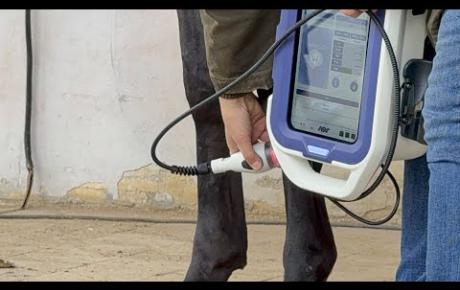
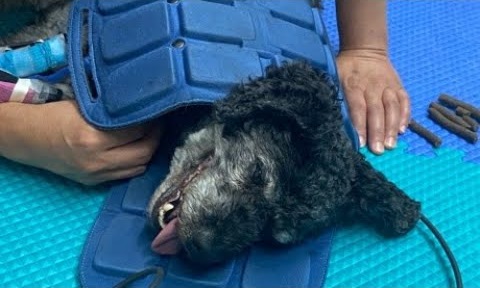
MLS Laser Therapy reduces inflammation, reduces pain, and helps wounds heal faster. Ask your veterinarian about treating your pet that is experiencing: arthritis, tendonitis, wounds, post-surgical swelling, inflamed ears, lick granuloma, hip dysplasia, disc disease, lameness, sinusitis, and other inflammatory conditions!
Therapy lasers emit a concentrated beam of photons (particles of light energy) that are absorbed by the cells in our body at the treatment area. These photons stimulate biological processes at the cellular level that ultimately result in accelerated tissue repair, improved circulation, and reduced pain and inflammation.
MLS Laser Therapy uses a patented emission system based on decades of research. It is the only therapy laser that precisely synchronizes two wavelengths of light energy chosen for maximum effectiveness in reducing pain and inflammation deep within the body.
While other light-based therapies may only penetrate superficial tissue, MLS Therapy Lasers can target deep tissue, including joints.
Additionally, this patented emission system offers a higher safety profile than many other Class IV therapy lasers on the market. This allows your pet to benefit from the efficacy of a high-power laser without the associated risks, such as thermal collateral tissue damage.
MLS Therapy Lasers are classified as Class IV Lasers by the FDA and can only be sold to licensed medical and veterinary professionals.
If you are interested in laser therapy treatments for your pet(s), use our clinic locator to find a veterinary clinic in your area.
Use our clinic locator to find a veterinary clinic in your area.
No. MLS Laser therapy is painless. Your pet may experience a comfortable sensation at the point of application, but should not feel any heat or discomfort during treatment.
If you are in the room during your pet’s MLS Laser Therapy treatment session, you will be required to wear protective eyewear provided by your physician.
A typical treatment can last between 10 to 15 minutes, depending on the size and number of areas being treated, unless otherwise recommended by your veterinarian. Speak to your vet for additional information on what can be expected during your treatment session.
Speak to your veterinarian for information on how to prepare for your treatment session.
You may notice improvements in your pet’s condition in as early as 1 to 3 treatment sessions. However, some pets require more treatment sessions before results are noticeable. These initial results may include relief of pain, decreased swelling, and improved range of motion.
The effects of laser therapy are cumulative. You can expect to see improvement as your pet proceeds through their treatment plan. It is critical that once your pet starts, they complete the full course of treatment sessions recommended by your veterinarian.
Speak to your veterinarian if you have any questions or concerns about your pet’s progression with MLS Laser Therapy.
The effects of laser therapy are cumulative, meaning it may take several sessions to begin seeing noticeable results. Speak to your veterinarian if you have any questions or concerns about your pet’s progression with MLS Laser Therapy.
Buster, our yellow lab, will be 13 in February… Following the first treatments [of MLS Laser Therapy] to both his knees and hips, we could see an increased confidence in his gait, and an improvement in his ability to sit, to lie down, and to squat…
Patrick & Elizabeth
Pet Owners
Laser Surgery FAQs
If your pet is in need of surgery, ask your veterinarian about using a surgical laser for the procedure. Laser surgery benefits your pet due from less pain, less bleeding, less swelling, and a reduced risk of infection. With laser surgery your pet will recover quicker and return home sooner!
CO2 Surgical Lasers use a carbon dioxide laser that seals blood vessels and nerve endings as it incises, resulting in reduced bleeding, less post-surgical pain and swelling, and a lower risk of infection than traditional scalpel surgery.
CO2 Surgical Lasers also offer the surgeon more precision than a scalpel, often leading to a smoother, more efficient operation.
Use our clinic locator to find a veterinary clinic in your area.
Kona is an 8 year old, 75 lb. Labrador retriever mix who has Tibial Plateau Leveling Osteotomy (TPLO) surgery on his left knee in early June.
“After just one laser treatment, Kona began to use his leg slightly. After two treatments Kona’s progress continued and we discontinued the anti-inflammatory medicine. Five treatments later, Kona is using his leg 100%.”
Cheryl
Pet Owner
The MLS Difference
Based on over 40 years of research and innovation, the patented Multiwave Locked System (MLS) precisely synchronizes wavelengths of infrared light to enhance biostimulatory effects while minimizing the risk of thermal damage, allowing for more effective and safer treatments.
FEATURED POSTS
Lorem ipsum dolor sit amet.